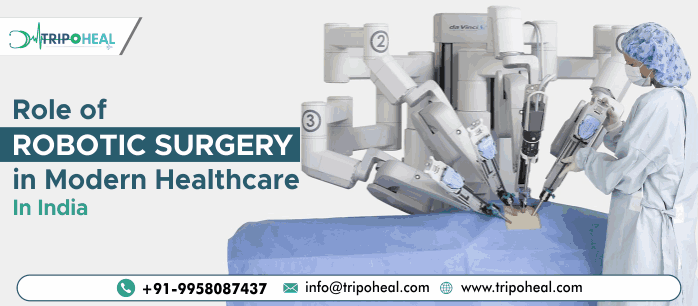
In the rapidly evolving world of medicine, robotic surgery has emerged as one of the most transformative innovations in modern healthcare. This cutting-edge technology combines precision, efficiency, and minimally invasive techniques, revolutionizing the way surgeries are performed. From enhanced accuracy to faster recovery times, robotic surgery is reshaping the future of patient care. Let’s explore the role of robotic surgery and its impact on modern healthcare.
What is Robotic Surgery?
Robotic surgery involves the use of robotic systems controlled by skilled surgeons to perform complex medical procedures with unparalleled precision. Unlike traditional surgeries, robotic-assisted surgeries are often minimally invasive, involving smaller incisions and advanced instrumentation.
The most widely used system is the da Vinci Surgical System, which employs robotic arms with high-definition 3D cameras and surgical instruments controlled by a surgeon sitting at a console.
Benefits of Robotic Surgery
Robotic surgery offers several advantages that benefit both patients and surgeons:
1. Enhanced Precision
Robotic systems eliminate the risk of human tremors, allowing for highly accurate and delicate maneuvers, particularly in intricate procedures like cardiac surgery or brain tumor removal.
2. Minimally Invasive Techniques
Smaller incisions mean reduced scarring, less blood loss, and minimized risk of infection, leading to faster healing and shorter hospital stays.
3. Better Visualization
High-definition, 3D imaging provides surgeons with a magnified and detailed view of the surgical site, improving outcomes in complex cases.
4. Greater Flexibility and Dexterity
Robotic instruments can rotate and bend in ways that human hands cannot, enabling surgeons to reach and treat hard-to-access areas.
5. Improved Patient Outcomes
Studies have shown that robotic surgeries often result in:
- Reduced postoperative pain.
- Shorter recovery times.
- Fewer complications.
6. Surgeon Comfort
Surgeons perform operations while seated at a console, reducing physical strain and fatigue during lengthy procedures.
Applications of Robotic Surgery in Healthcare
Robotic surgery has found applications across a wide range of medical specialties, transforming the way healthcare is delivered:
1. Cardiology
o Robotic-assisted procedures like coronary artery bypass grafting and valve repair are less invasive, reducing recovery time for heart patients.
2. Urology
o Procedures such as prostatectomy (prostate removal) benefit greatly from robotic surgery due to the precision required near sensitive nerves and blood vessels.
3. Gynecology
o Robotic systems are widely used for hysterectomies, endometriosis treatment, and fertility-enhancing surgeries, offering minimally invasive solutions for women’s health.
4. Oncology
o Robotic surgery is used in tumor resections for cancers in the prostate, kidney, and other organs, ensuring maximum removal with minimal damage to surrounding tissues.
5. Orthopedics
o Robotic-assisted joint replacements provide customized implant positioning, improving surgical outcomes and longevity of implants.
6. Gastrointestinal Surgery
o Complex surgeries like bariatric surgery, colorectal resections, and hernia repairs are now more precise and less invasive with robotic systems.
7. Neurosurgery
o Robotic systems assist in delicate brain and spinal surgeries, enabling precise interventions while minimizing risks.
Challenges in Robotic Surgery
While robotic surgery has revolutionized healthcare, it also comes with challenges:
1. High Costs
The advanced technology and equipment involved make robotic surgery expensive, limiting accessibility in resource-constrained settings.
2. Steep Learning Curve
Surgeons require specialized training and experience to master robotic systems, which can be time-intensive and costly.
3. Equipment Maintenance
Robotic systems are complex and require regular maintenance, increasing operational costs for hospitals.
4. Limited Availability
Robotic surgery is primarily available in advanced healthcare facilities, making it inaccessible to many patients, especially in rural areas.
The Future of Robotic Surgery
Robotic surgery is poised to become even more impactful with ongoing advancements in technology:
• AI Integration: Artificial intelligence will enhance decision-making, providing real-time data to surgeons for better outcomes.
• Telesurgery: Surgeons will be able to perform operations remotely, expanding access to world-class surgical care in underserved areas.
• Smaller and More Affordable Systems: Compact, cost-effective robotic systems will make this technology accessible to a broader range of healthcare providers.
Robotic surgery is also expected to become more personalized, leveraging patient-specific data for tailored treatment plans.
Conclusion
Robotic surgery represents the pinnacle of modern healthcare innovation, offering a blend of precision, efficiency, and patient-centric care. Its role in improving outcomes, reducing recovery times, and enhancing the overall surgical experience makes it a cornerstone of 21st-century medicine.
As technology continues to evolve, robotic surgery will become more accessible and versatile, ultimately benefiting patients around the globe. At Tripoheal.com, we connect you with world-class hospitals that specialize in robotic surgery, ensuring you receive the best care possible. Contact us today to learn how robotic surgery can transform your healthcare journey!
Looking for the Best Treatment in India?
Connect with our medical experts today for a free consultation. Get recommendations for the best hospitals, an estimated treatment cost, and a personalized treatment plan tailored to your condition.
Top Hospitals for Role of Robotic Surgery in Modern Healthcare

Amrita Hospital Faridabad Haryana
 Mata Amritanandamayi Marg, RPS City, Sector 88, Faridabad, Haryana 121002
 Total capacity of
2400 beds
Total capacity of
2400 beds
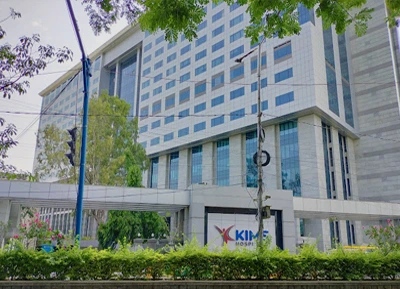
KIMS Hospital Kondapur, Hyderabad
1-112 / 86, Survey No 5 / EE, Hyderabad 500 084
Total capacity of
255 beds
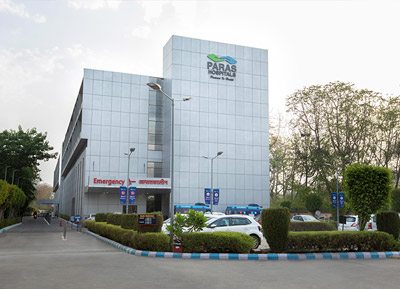
Paras Hospital Gurgaon
Phase- I, C-1, Sushant Lok Rd, Sector 43, Gurugram, Haryana 122002
Total capacity of
250 beds

Fortis Hospital Noida
B-22, Sector 62, Gautam Buddh Nagar, Noida, Uttar Pradesh , Noida, UP, India, 201301
Total capacity of
200 beds
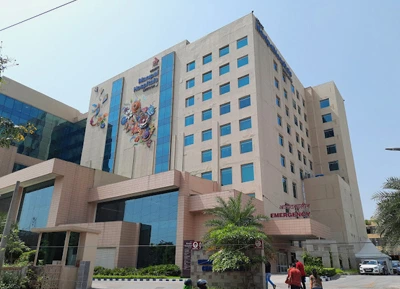
Manipal Hospital Dwarka
Palam Vihar, Sector 6, Dwarka , New Delhi, DL, India, 110075
Total capacity of
380 beds

Max Super Specialty Hospital Saket
1,2 Press Enclave Road, Saket , New Delhi, India, 110017
Total capacity of
430 beds

BLK MAX Super Speciality Hospital
Pusa Road, Radha Soami Satsang,, Rajendra Nagar , New Delhi, India
Total capacity of
650 beds

Medanta Hospital Gurugram
Sector 38, CH Baktawar Singh Road, , Gurgaon, HR, India, 122001
Total capacity of
1250 beds

Indraprastha Apollo Hospital Delhi
Sarita Vihar, Delhi-Mathura Road , New Delhi, India, 110076
Total capacity of
1000 beds

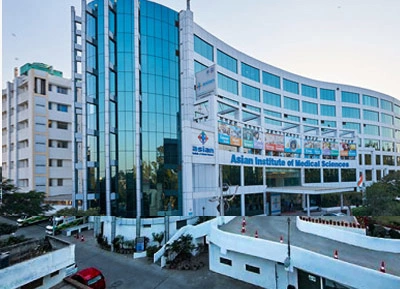
Asian Institute Of Medical Sciences
Badkal Flyover, Road, Sector 21A, Faridabad, Haryana 121001
Total capacity of
425 beds
Best Doctors for Role of Robotic Surgery in Modern Healthcare