00

TOTAL DAYS IN COUNTRY

00

TOTAL DAYS IN HOSPITAL

$2000

TREATMENT COST START FROM

99%

SUCCESS RATE


RIRS

Top Hospitals for RIRS

Fortis Memorial Research Institute

map icon Sector - 44, Opposite HUDA City Centre , Gurgaon, HR, India, 122002

hospital icoTotal capacity of 300 beds

BLK MAX Super Speciality Hospital

map icon Pusa Road, Radha Soami Satsang,, Rajendra Nagar , New Delhi, India

hospital icoTotal capacity of 650 beds

Fortis Hospital Noida

map icon B-22, Sector 62, Gautam Buddh Nagar, Noida, Uttar Pradesh , Noida, UP, India, 201301

hospital icoTotal capacity of 200 beds

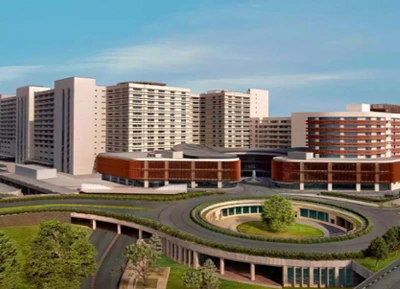
Amrita Hospital Faridabad Haryana

map icon Mata Amritanandamayi Marg, RPS City, Sector 88, Faridabad, Haryana 121002

hospital iconTotal capacity of 2400 beds

Max Super Specialty Hospital Saket

map icon 1,2 Press Enclave Road, Saket , New Delhi, India, 110017

hospital iconTotal capacity of 430 beds

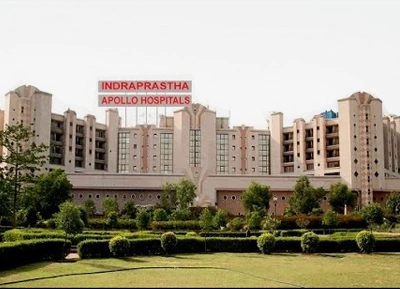
Indraprastha Apollo Hospital Delhi

map icon Sarita Vihar, Delhi-Mathura Road , New Delhi, India, 110076

hospital iconTotal capacity of 1000 beds

Best Doctors for RIRS

Dr. Gautam Banga

Urology & Andrology Surgeon

Contact Us

Get Free Treatment Quote


Free Expert Guidance

Need Help Choosing the Right Treatment?

Connect with our medical advisors for personalized recommendations, hospital options, and transparent cost details — within minutes.

Frequently Asked Questions

RIRS is a minimally invasive kidney stone removal procedure in which a flexible scope is passed through the urinary tract to break and remove stones from the kidney using laser technology.

RIRS is usually recommended for kidney stones smaller than 2 cm, stones located in difficult areas of the kidney, or in patients who want a scar-free treatment option.

Unlike PCNL, RIRS does not require any incision in the back. Compared to ESWL, RIRS offers higher stone clearance rates for certain types of stones.

No. RIRS is performed under anesthesia, so patients do not feel pain during the procedure. Post-operative discomfort is usually mild and manageable.

A flexible ureteroscope is inserted through the urethra into the kidney. A laser is used to break the stones into small fragments, which are either removed or passed naturally.

The procedure usually takes 45 minutes to 1.5 hours, depending on the size and number of stones.

Most patients stay in the hospital for 1 day, and some may be discharged the same day.

Recovery is quick. Patients typically resume normal activities within 3–5 days, with minimal restrictions.

RIRS has a high success rate, often above 85–90%, especially for small to medium-sized kidney stones.

Yes. RIRS is considered a safe and advanced kidney stone treatment when performed by experienced urologists using modern laser technology.

RIRS removes existing stones, but recurrence is possible. Proper hydration, dietary control, and regular follow-up reduce the risk.

RIRS treatment in India is significantly more affordable, often 60–70% lower than in the USA or Europe, while maintaining international standards.

Lower operational healthcare costs, experienced urologists, and advanced medical infrastructure allow India to provide high-quality RIRS treatment at reduced prices.

Tripoheal assists with hospital and urologist selection, treatment planning, transparent cost estimates, medical visa assistance, travel arrangements, accommodation, and on-ground coordination.

Patients choose India for experienced urology specialists, advanced laser technology, short hospital stay, quick recovery, and high-quality kidney stone treatment at affordable costs.
Chat with Us
Talk to Expert