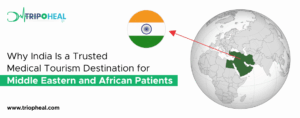
Traveling abroad for medical treatment can feel overwhelming, especially when it involves visas, flights, and a new country. This guide explains everything medical tourists need to know before coming to India, with a clear focus on patients from the Middle East and Africa. The goal is simple: help you plan your journey with confidence and avoid unnecessary stress.
India has become one of the most trusted destinations for international patients due to three key reasons: advanced medical care, experienced doctors, and affordable treatment costs. Hospitals across major cities are well-prepared to support overseas patients, from the first online consultation to recovery and follow-up.
Patients from Gulf countries and Africa also appreciate the cultural familiarity, availability of halal food, and strong patient coordination services.
Medical Visa for India: What You Need to Know
A Medical Visa (M Visa) is required for patients traveling to India for treatment. This visa is different from a tourist visa and is specifically designed for healthcare purposes.
Who Can Apply for a Medical Visa?
-
Patients seeking treatment at a recognized Indian hospital
-
Up to two attendants can apply for a Medical Attendant Visa
-
Patients coming for surgery, cancer care, transplants, or long-term treatment
Documents Required
-
Passport with at least six months validity
-
Recent passport-size photographs
-
Medical invitation letter from an Indian hospital
-
Treatment recommendation or medical reports
-
Proof of funds for treatment and stay
In most cases, medical visas are processed faster than regular visas, especially when hospital documents are complete.
Travel Planning for Medical Tourists
Booking Flights
It is recommended to book flexible tickets, as treatment duration may vary. Major Indian cities such as Delhi, Mumbai, Chennai, and Bengaluru have direct or one-stop connections from the Middle East and Africa.
Airport Arrival and Assistance
Most international patients are received at the airport by hospital representatives or medical tourism coordinators. This service helps patients avoid language barriers and travel confusion after landing.
Accommodation Options Near Indian Hospitals
Medical tourists in India can choose from multiple stay options based on comfort and budget.
Common Accommodation Choices
-
Hospital guest houses
-
Hotels near hospitals
-
Serviced apartments for long stays
-
Budget accommodations for attendants
Many hospitals help patients book nearby accommodation to reduce daily travel and support recovery.
Local Transport and Daily Support
Getting around Indian cities is easier when medical coordinators arrange transport in advance. Patients usually receive:
-
Hospital pickup and drop services
-
Assistance for follow-up visits
-
Local SIM cards for easy communication
This support is especially helpful for patients visiting India for the first time.
Hospital Admission and Treatment Process
Once you arrive:
-
Initial consultation and tests are conducted
-
Final treatment plan and timeline are confirmed
-
Treatment or surgery begins
-
Post-treatment recovery and monitoring follow
International patient departments guide patients at every step and ensure clear communication.
Recovery, Follow-Up, and Return Travel
Recovery time depends on the type of treatment. Doctors usually advise patients on:
-
Safe travel timelines after treatment
-
Required medications
-
Online follow-up consultations after returning home
Many patients continue follow-ups through video calls, making long-term care easier.
Common Concerns of International Patients
Is India safe for medical tourists?
Yes. Reputed hospitals maintain strict safety, hygiene, and international care standards.
Can family members stay with the patient?
Yes. Attendants can stay throughout the treatment period with proper visas.
Is language a problem?
No. English is widely spoken, and translators are available when needed.
Final Thoughts
Planning medical treatment abroad becomes much easier when you understand the visa process, travel planning, and stay options in advance. India offers a structured and patient-friendly medical tourism experience, especially for patients from Africa and the Middle East who seek quality care with personalized support.
If you are considering treatment in India and want guidance on visas, travel, hospital selection, or accommodation, professional medical tourism coordinators can manage the entire process so you can focus on your health.
Ready to start your medical journey?
Reach out to a trusted medical tourism team and get step-by-step assistance from your first inquiry to your safe return home.